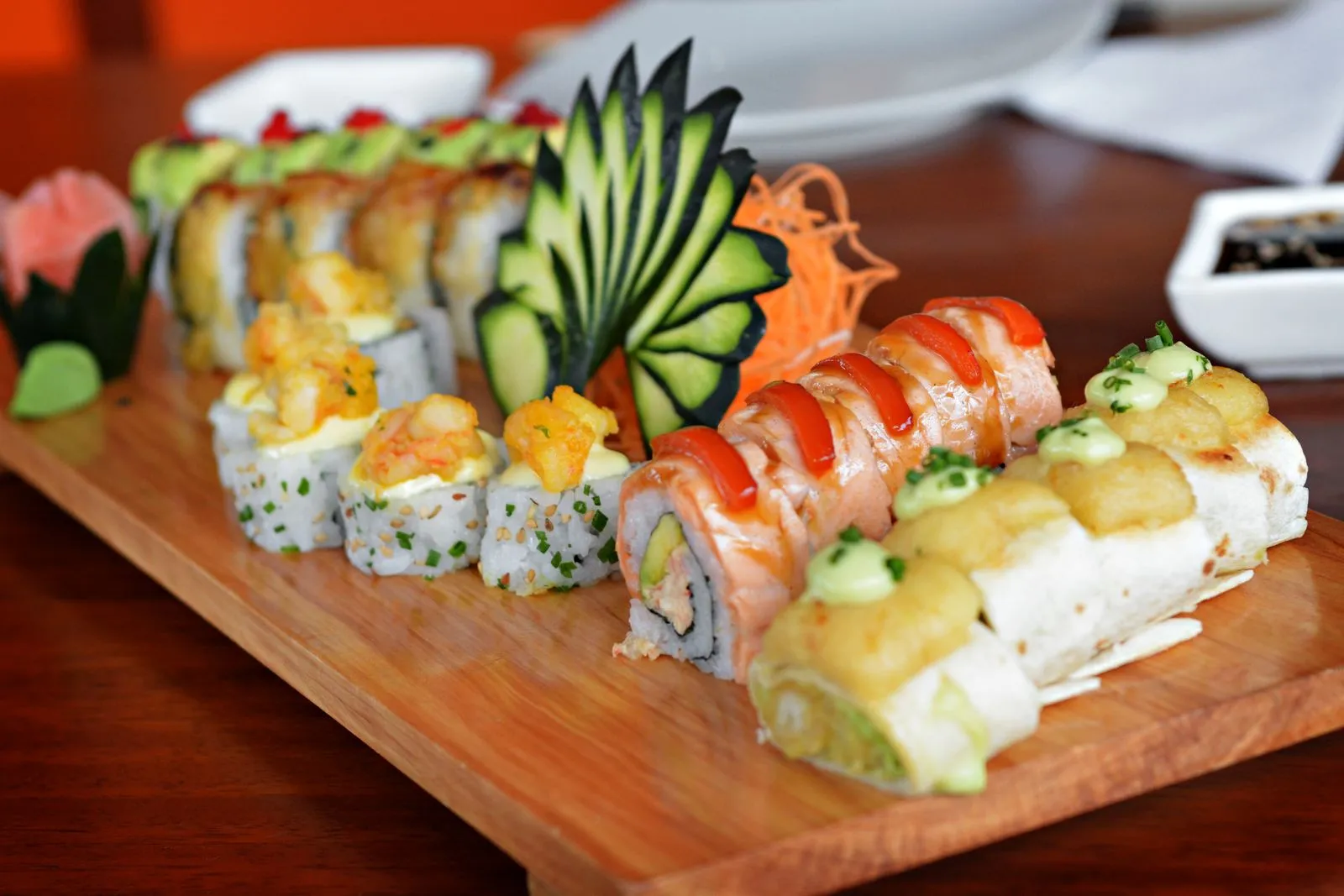
A sushi menu can feel unfamiliar when you’re deciding what to try for the first time. Start with the format: some dishes pair seafood with seasoned rice, while others focus on the fish itself. Then think about flavors and textures you already like, such as mild or rich, crisp or creamy. You don’t need to know every ingredient before ordering. A few basic distinctions can help you choose a meal that feels comfortable and still leaves room to explore.
Know the Main Sushi Styles
Nigiri is a small mound of seasoned rice topped with a slice of fish or another ingredient. It’s a straightforward choice if you want to taste the seafood and rice together. Maki is rolled sushi, usually wrapped in seaweed and cut into bite-sized pieces. Rolls may combine fish, vegetables, sauces, or other ingredients, so they can offer several flavors in one bite.
Temaki is a hand roll shaped like a cone, with rice and fillings wrapped in seaweed. It’s often eaten by hand and works well if you like a generous mix of textures. Sashimi is sliced seafood served without sushi rice. It’s a useful option if you want to focus on the fish, but it may be less familiar if you prefer rice with your meal.
Choose by Flavor
If you prefer mild flavors, look for simple combinations with cucumber, avocado, or a gently flavored seafood filling. Ask your server which options have the least sauce or heat. If you enjoy richer flavors, try a roll or nigiri featuring a fattier fish, or a dish paired with a creamy sauce. Menus vary, so ask what each item contains before ordering.
For a bright, tangy taste, notice whether a roll includes pickled vegetables or citrus. If you like spice, ask whether the heat comes from a sauce, seasoning, or a particular ingredient; that makes it easier to gauge what you’re getting. Sauces can cover the flavor of the seafood, so consider ordering one simpler piece alongside a more dressed-up roll for comparison.
Think About Texture
Sushi can be soft, crisp, creamy, or chewy, sometimes all in the same roll. Avocado tends to feel creamy, cucumber adds crunch, and seaweed has a distinct chew. If you like familiar, contrasting textures, choose a roll that combines rice, crisp vegetables, and a filling you recognize. If you prefer a clean, simple bite, nigiri may be a better fit.
Temperature and preparation also affect texture. Raw seafood is often tender, while cooked or seared fillings can feel firmer and more familiar. If you’re unsure about raw fish, ask which menu items are fully cooked or contain cooked ingredients. You can also ask the restaurant to explain unfamiliar toppings or suggest a beginner-friendly choice.
Order a Comfortable First Meal
Rather than choosing several unfamiliar items at once, order one option that sounds approachable and one that lets you try something new. For example, pair a familiar roll with a piece of nigiri, or choose a cooked roll alongside a simple vegetable roll. Sharing a few different items can make it easier to compare flavors without committing to a full order of one style.
Tell your server what you tend to enjoy and what you’d rather avoid, such as raw fish, strong sauces, or spicy toppings. Mention allergies and dietary needs before ordering, and check whether a dish contains ingredients you’re avoiding. At Pearl & Rice in Jackson, you can ask about ingredients and preparation to help make your first selection more comfortable.
A good first sushi order starts with what you already enjoy: mild or bold flavors, soft or crunchy textures, and cooked or raw seafood. Use the menu descriptions as a guide, and ask questions when an ingredient is unfamiliar. Choose a comfortable dish plus one new option, and let your preferences guide what you try next.